FinanceIn person
4th Annual EU Financial Regulation Conference
Following Commissioner Hill's call to assess the cumulative effect of post-crisis financial legislation, panels weighed growth against stability, the risk of unintended consequences and incoherence between directives, third-country rules and priorities for the new term.
Sponsored by





Programme
- 08:30–09:00Registration and welcome coffee
- 09:00–09:10Moderator’s opening remarks
- 09:10–09:20Keynote speech by John Berrigan Acting Deputy Director General, DG FISMA, European Commission
- 09:20–11:00
Panel 1: Analysing the global impact of financial regulation
Discussion points
- Getting Europe back on track towards long-term growth and job creation is a vital goal for the EU and for national governments alike. Are the regulatory measures taken post crisis in line with this goal or are there adjustments yet to be made?
- How do we find the right balance between growth and financial stability? Are these goals inevitably conflicting or can we find a successful way to combine them?
- Is it really possible to predict the cumulative impact of the new regulatory framework? Is there a risk for unintended consequences or side effects? How will the financial industry adapt to the new rules?
- What should the objectives for the new legislative term be? Are there any unregulated areas left, which need to be addressed? Where might a revision be needed amongst the already adopted legislations?
- Is there a need for an extensive review or will some fine tuning of the existing regulation be sufficient?
- How should potential problems arising from the post-crisis regulatory measures (e.g. incoherence between directives and unintended consequences) be addressed?
- Strengthened prudential rules for various market players could affect their ability to channel funds into long-term investments negatively. Can this be mitigated without threatening the financial stability goal for which these prudential rules were established in the first place?
- Third country rules should ideally eliminate regulatory arbitrage without reducing the access to funding from international investors. Have we found the right balance in this regard?
Speakers
- ModeratorAshey KovasSenior Regulatory Intelligence Expert, Thomson Reuters
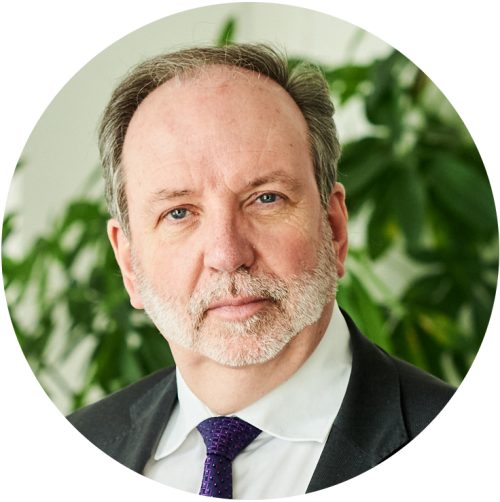 John BerriganDirector General, European Commission - DG FISMA
- Peter SimonMember of the European Parliament
- Costas StephanouMember of the Secretariat, Secretary of the Standing Committee on Standards Implementation, FSB – Financial Stability Board, FSB - Financial Stability Board
- Veerle ColaertJan Ronse Institute for Corporate and Financial Law, KU Leuven, Katholieke Universiteit Leuven
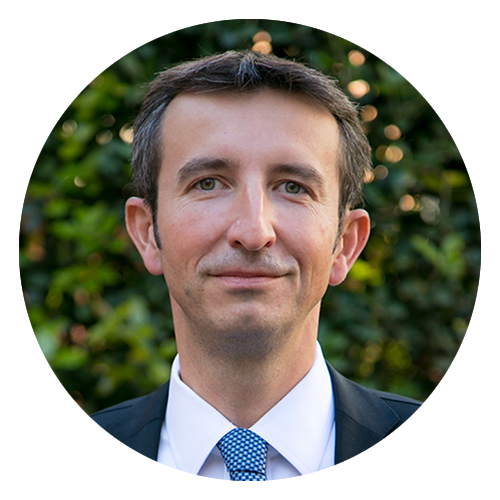 Martin ŠpolcHead of Unit B2 – Economic analysis and evaluation, DG FISMA, European Commission, European Commission - DG FISMA
- Nick ForrestDirector, Economics and Policy, PwC
- Daniel WilsonGroup Chief Executive, Legal & General, BT - British Telecom
- 11:00–11:20Coffee break
- 11:20–13:00
Panel 2: Future challenges
Discussion points
- What should the objectives for the new legislative term be? Are there any unregulated areas left, which need to be addressed? Where might a revision be needed amongst the already adopted legislations?
- Is there a need for an extensive review or will some fine tuning of the existing regulation be sufficient?
- How should potential problems arising from the post-crisis regulatory measures (e.g. incoherence between directives and unintended consequences) be addressed?
- Strengthened prudential rules for various market players could affect their ability to channel funds into long-term investments negatively. Can this be mitigated without threatening the financial stability goal for which these prudential rules were established in the first place?
- Third country rules should ideally eliminate regulatory arbitrage without reducing the access to funding from international investors. Have we found the right balance in this regard?
Speakers
- ModeratorAshey KovasSenior Regulatory Intelligence Expert, Thomson Reuters
- Othmar KARASMember of the European Parliament, European Parliament
- Christophe NijdamSecretary General, Finance Watch, Af2i - Association Française des Investisseurs Institutionnels
- Simon Puleston JonesChief Executive Officer, FIA Europe, FIA - Futures Industry Association
- Ann ShumanDeputy General Counsel, DTCC, DTCC - Depository Trust and Clearing Corporation
- Nick ForrestDirector, Economics and Policy, PwC
The measures taken post crisis are of a magnitude that has not been seen before in modern times. Commissioner Lord Hill has asked for an analysis of the cumulative effect of the adopted legislation with the aim to assess the overall impact in terms of jobs and growths while preserving financial stability.
Speakers
- Moderator
Ashey Kovas
Biography John Berrigan
BiographyPeter Simon
BiographyCostas Stephanou
BiographyVeerle Colaert
BiographyMartin Špolc
BiographyNick Forrest
BiographyDaniel Wilson
BiographyOthmar KARAS
BiographyChristophe Nijdam
BiographySimon Puleston Jones
BiographyAnn Shuman
Biography