FinanceIn person
QED Conference on the Future of European Financial Infrastructure
Two panels looked at Europe's post-trading environment: its stability since the crisis, harmonisation after Brexit and the implementation of MiFID II, EMIR, CSDR, T2S and SFTR, followed by CCP supervision, the role of central banks and taxpayer protection.
Sponsored by



Programme
- 08:30–09:00Registration and welcome coffee
- 09:00–10:50
Panel One : Current status and upcoming challenges
Discussion points
- Is the European financial infrastructure more stable and efficient today than it was before the crisis?
- What is the vision for the post-trading environment in the EU?
- How can more harmonization and integration be achieved post Brexit?
- What opportunities and challenges is Europe’s financial infrastructure facing regarding new technologies?
- Are there any new barriers in post trading?
- What should we expect from the implementation of MiFID II, EMIR, CSDR and T2S, and SFTR?
- What is the costs of cross-border post-trading in the EU?
- What are the risks associated with potentially diverging from the principle of mutual recognition?
- What are the upcoming opportunities and challenges in the coming years? How should they be addressed by legislators and the industry?
- How can we ensure financial stability?
- Are European tax payers sufficiently protected?
- What role should central banks play in CCP supervision and as lenders of last resort? Are there any systemic risks related to system where central banks do not play a key role?
- Should national supervisors continue to play a central role in EU CCP supervision?
- Is there concrete evidence that suggests a radical overhaul to EU CCP supervision is needed?
Speakers
- ModeratorLucia QuagliaProfessor of Political Science, University of Bologna
- Neena GillMember of European Parliament, European Parliament
- Patrick PearsonHead of Unit C2 – Financial Markets Infrastructure, DG FISMA, European Commission, European Commission - DG FISMA
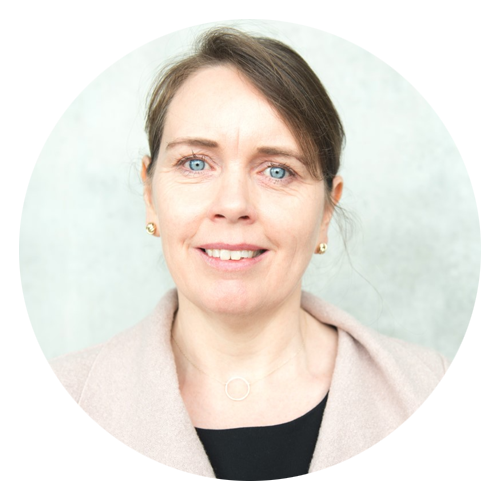 Fiona Van EchelpoelDeputy Director General Market Infrastructure and Payments, European Central Bank
- Andrew DouglasChief Executive, European Trade Repository & MD, Government Relations, DTCC, APCO Worldwide
- Joe CassidyPartner and Brexit Banking & Capital Markets Lead, KPMG, UK, KPMG
- Philip WhitehurstHead of Service Development, Rates, LCH Group
- Kirston WintersManaging Director, Co-Head of Product Management for MarkitSERV, IHS Markit
- Matthias GraulichMember of the Executive Board, Eurex Clearing AG & Head of Cross-Markets Strategy, Deutsche Brse Group, Deutsche Börse AG
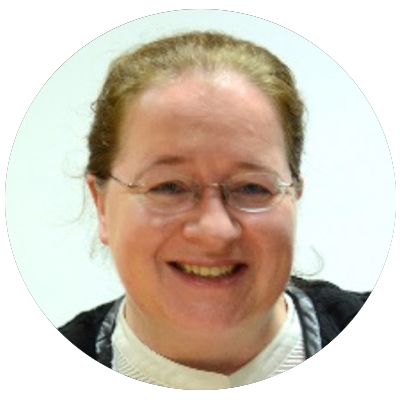 Corinna SchemppHead of European Policy, FIA, FIA - Futures Industry Association
- 10:50–11:10Coffee break
- 11:10–13:00
Panel Two: CCP Supervision and financial stability
Discussion points
- How can we ensure financial stability?
- Are European tax payers sufficiently protected?
- What role should central banks play in CCP supervision and as lenders of last resort? Are there any systemic risks related to system where central banks do not play a key role?
- Should national supervisors continue to play a central role in EU CCP supervision?
- Is there concrete evidence that suggests a radical overhaul to EU CCP supervision is needed?
Speakers
- Moderator
Lucia Quaglia
Biography Neena Gill
BiographyPatrick Pearson
BiographyFiona Van Echelpoel
BiographyAndrew Douglas
BiographyJoe Cassidy
BiographyPhilip Whitehurst
BiographyKirston Winters
BiographyMatthias Graulich
BiographyCorinna Schempp
Biography